Just Diagnosed With Breast Cancer: A Practical First-Month Checklist
October 5, 2026 · Breast Cancer, Cancer Support
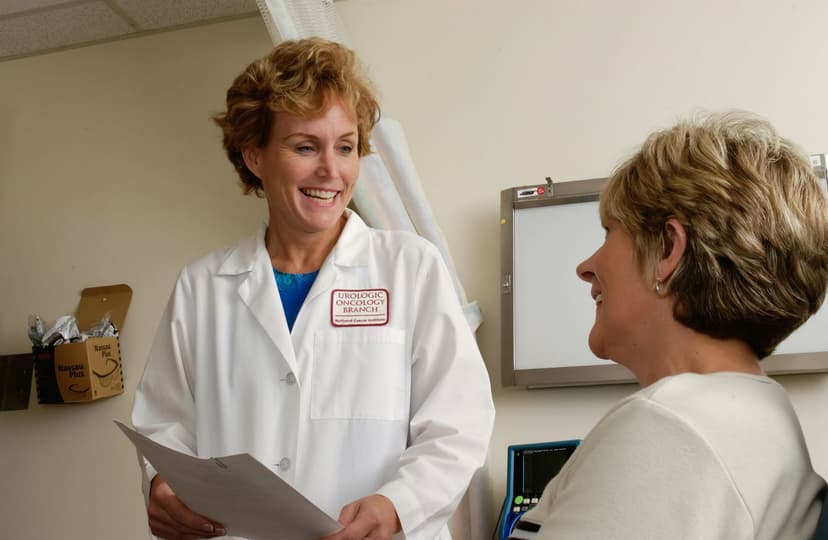
Hearing "you have breast cancer" changes everything in an instant. In the days that follow, there are appointments to book, words you've never heard, and decisions that feel urgent. This checklist is meant to help you get through the first month one step at a time.
One reassurance first: for most breast cancers, there is time to gather information, get a second opinion and choose your team before treatment starts. Ask your doctor how much time you have to decide.
1. Get copies of your reports
Ask for copies of your biopsy pathology report and your imaging reports, or make sure you can see them in your patient portal. The pathology report holds the details that shape your treatment. Learn what these terms mean for you:
- Type: for example, invasive ductal or invasive lobular carcinoma, or DCIS (ductal carcinoma in situ), which hasn't spread beyond the milk duct. See our guide to the types of breast cancer.
- Grade: how abnormal the cells look under the microscope, from 1 to 3. Higher grades tend to grow faster.
- Hormone receptor status (ER and PR): whether the cancer uses estrogen or progesterone to grow. Hormone receptor-positive cancers can be treated with hormone therapy.
- HER2 status: whether the cancer makes too much of a protein called HER2. HER2-positive cancers can be treated with targeted drugs.
- Stage: how large the cancer is and whether it has spread to lymph nodes or elsewhere. The final stage is often set after surgery. Learn more about breast cancer stages.
Cancer that is negative for ER, PR and HER2 is called triple-negative. It's treated differently, so make sure you know your results for all three.
2. Build your care team
Breast cancer is usually treated by a team. Depending on your situation, it may include a breast surgeon, a medical oncologist (for chemotherapy, hormone therapy and targeted drugs), a radiation oncologist, a plastic surgeon if you're considering reconstruction, and a nurse navigator who helps coordinate it all.
Ask whether your case will be reviewed by a multidisciplinary team, sometimes called a tumor board, where specialists plan your treatment together. Large cancer centers, including those designated by the National Cancer Institute, work this way, and many community hospitals do too. Find oncologists and cancer treatment centers near you in our directory.
3. Consider a second opinion
Second opinions are common in breast cancer care, and good doctors expect them. A second opinion can confirm your diagnosis and treatment plan, or offer options you hadn't heard about. It's especially worth considering for an uncommon type of breast cancer or when surgery choices are complicated. Many insurers cover second opinions; call yours to check. Ask the second center to review your actual biopsy slides and images, not just the reports.
4. Questions to bring to your first oncology appointment
- What type of breast cancer do I have, and what are its grade, ER, PR and HER2 results?
- What stage is it, and do I need more tests to find out?
- What treatments do you recommend, and in what order: surgery first, or medicine first?
- What are my surgery options? Is a lumpectomy possible, or do you recommend a mastectomy?
- What is the goal of treatment, and how will we know it's working?
- What side effects should I expect, and how will they affect work and family life?
- Should I have genetic testing?
- Are there clinical trials I could join?
- Who do I call with questions, including at night or on weekends?
Bring someone with you if you can, to take notes and ask what you forget. Many doctors don't mind if you record the conversation; ask first.
5. Ask about genetic testing
The American Society of Clinical Oncology and the Society of Surgical Oncology recommend offering BRCA1 and BRCA2 genetic testing to everyone diagnosed with breast cancer at age 65 or younger. They also recommend it for some people diagnosed later, such as those with triple-negative breast cancer, a strong family history, or men with breast cancer. Results can affect surgery choices and drug options. They also matter for your relatives, who may want testing too. Ask for a referral to a genetic counselor.
6. If you might want children, ask now
Some breast cancer treatments, including chemotherapy, can affect fertility. If you hope to have children in the future, ask about fertility preservation, such as freezing eggs or embryos, before treatment starts. A referral to a fertility specialist can often be arranged quickly.
7. Get ahead of the money questions
- Call your insurer. Ask whether your doctors and hospital are in network, which treatments need prior authorization, and what your out-of-pocket maximum is. Ask whether you can have a case manager.
- Talk to a financial counselor or social worker at your treatment center. They can help with bills and payment plans, and with programs for co-pays, medicines, travel and lodging. Our directory lists financial assistance organizations for people with cancer.
- Know your rights on reconstruction. Under the federal Women's Health and Cancer Rights Act, group health plans that cover mastectomy must also cover breast reconstruction, including surgery on the other breast for symmetry. They must also cover breast prostheses and treatment of complications such as lymphedema.
8. Protect your job
If you work, you may have legal protections. The Family and Medical Leave Act gives eligible employees up to 12 weeks of unpaid, job-protected leave a year for a serious health condition. The Americans with Disabilities Act requires many employers to provide reasonable accommodations, such as a flexible schedule during treatment. The U.S. Equal Employment Opportunity Commission explains how the law applies to cancer. If you run into problems, a lawyer can help; see our legal assistance directory.
9. Plan for practical needs
- Hair loss: if your treatment may cause hair loss, consider shopping for a wig or head coverings before treatment begins, so you can match your hair color and style. Some insurance plans cover a wig when your doctor prescribes it as a "cranial prosthesis." Ask your doctor and your plan.
- After surgery: if you're having a mastectomy, ask about post-surgical bras and breast forms. Medicare Part B covers some external breast prostheses, including a post-surgical bra, after a mastectomy. You pay 20% after the deductible.
- Find wig shops and mastectomy fitters near you in our prosthetics, wigs and accessories directory.
10. Take care of your emotional health and your family's
Shock, fear, anger and sadness are all normal reactions to a diagnosis, and they can come and go. Talking with others who have been through it can help, and so can a counselor who works with people with cancer. Partners, children and caregivers often need support too.
- Search our directory for emotional support providers and psychologists near you.
- The National Cancer Institute's Cancer Information Service answers questions at 1-800-4-CANCER (1-800-422-6237).
- The American Cancer Society's helpline is available around the clock at 1-800-227-2345.
Your first-month checklist
- Get copies of your pathology and imaging reports
- Learn your cancer type, grade, ER, PR and HER2 status, and stage
- Choose your treatment team and ask about a multidisciplinary review
- Decide whether to get a second opinion
- Write down your questions and bring someone to appointments
- Ask about genetic testing and a genetic counselor
- Ask about fertility preservation if you might want children
- Call your insurer and meet a financial counselor
- Talk to your employer about leave or accommodations
- Plan for wigs, post-surgical bras or other supplies
- Find emotional support for you and your family
- Ask whether a clinical trial might be right for you (search ClinicalTrials.gov or our cancer research centers directory)
This article is for general information and is not medical advice. Your care team can tell you what applies to your situation.
Sources
- The ASCO Post: ASCO and SSO guideline on germline testing in breast cancer (2024)
- Disability Rights Legal Center: Women's Health and Cancer Rights Act fact sheet
- Medicare.gov: Breast prostheses
- U.S. Department of Labor: Family and Medical Leave Act
- U.S. EEOC: Cancer in the Workplace and the ADA
- National Cancer Institute: Feelings and Cancer
- National Cancer Institute: Managing Costs and Medical Information